


The Cost of Being Strong
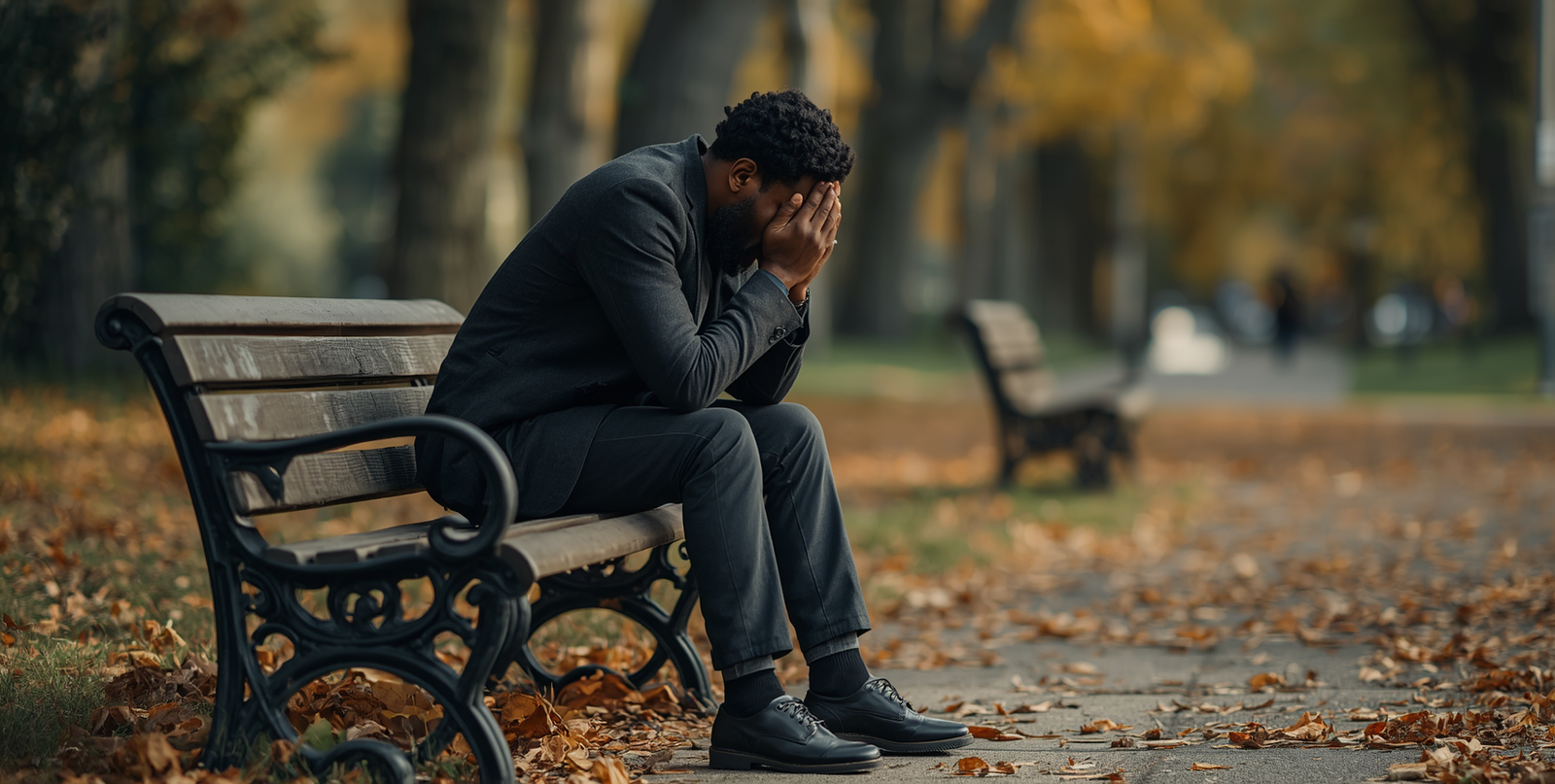
Why So Many Men Struggle in Silence
What is the cost of being strong? And what happens when you feel like you’re no longer strong enough?
These are questions many men may face at different points throughout their lives, yet they’re rarely discussed openly.
When it comes to mental health, women are generally more likely to seek support. Men, on the other hand, are often more likely to step back, stay quiet, and try to carry the weight on their own. But why?
The answer isn’t as simple as telling men to “open up.” There are many factors that shape how men experience and respond to emotional distress and influence whether they seek support
“We’re taught to be strong, but never taught how to heal.” — Marianne Williamson
The Pressure to Be Strong
From an early age, many men are taught that strength is rooted in independence, emotional control, and self-reliance. They’re praised for keeping it together, handling problems on their own, and not letting others see that they are struggling.
While resilience is valuable, these expectations can come at a high cost.
When men believe they must always appear strong, they may suppress what’s happening beneath the surface instead of expressing it. Over time, this emotional suppression can contribute to declining mental health, increased stress, anxiety, depression, and a growing sense of isolation.
The Hidden Impact of Loneliness
Loneliness is one of the most significant yet overlooked factors affecting men’s mental health.
Men tend to have smaller social circles and fewer emotionally safe relationships than women. As life progresses, friendships often become less frequent or remain surface-level, leaving little room for vulnerability and genuine emotional connection.
Research shows that men who live alone report particularly high levels of loneliness, with many describing a lack of reliable emotional support. Without trusted people to turn to, emotional struggles can remain hidden for far too long.
The truth is no one is meant to carry life’s challenges alone.
The Reality Behind the Statistics
The consequences of silent suffering are reflected in the statistics.
Although men make up roughly half of the population, they account for approximately 75% of suicide deaths. Men are about three times more likely to die by suicide than women, and suicide remains the second leading cause of death among men between the ages of 15 and 34.
These numbers remind us that men’s mental health is not simply an individual issue—it’s a public health issue that deserves greater attention and compassion and action.
The Additional Burden for Black Men
When we look specifically at Black men’s mental health, there are additional layers that deserve recognition.
Many Black men navigate not only societal expectations of masculinity but also racialized expectations around what it means to be a man. There is often an even greater emphasis on being strong, stoic, and completely self-reliant.
While these qualities may be viewed as strengths, they can also make it more difficult to recognize emotions, express vulnerability, or seek help when it’s needed.
As a result, many Black men find themselves struggling in silence—not because they don’t want support, but because they’ve learned that strength means carrying everything alone.
Research has shown that racialized masculinity can shape how Black men understand vulnerability, making emotional expression and help-seeking feel at odds with cultural expectations of strength.
Redefining Strength
Perhaps it’s time we redefine what strength truly looks like.
Strength isn’t pretending everything is okay.
Strength isn’t carrying every burden by yourself.
Strength is recognizing when you need support. It’s having the courage to be honest with yourself and allowing others to walk alongside you.
Seeking help isn’t a sign of weakness. It’s an act of self-awareness, courage, and resilience.
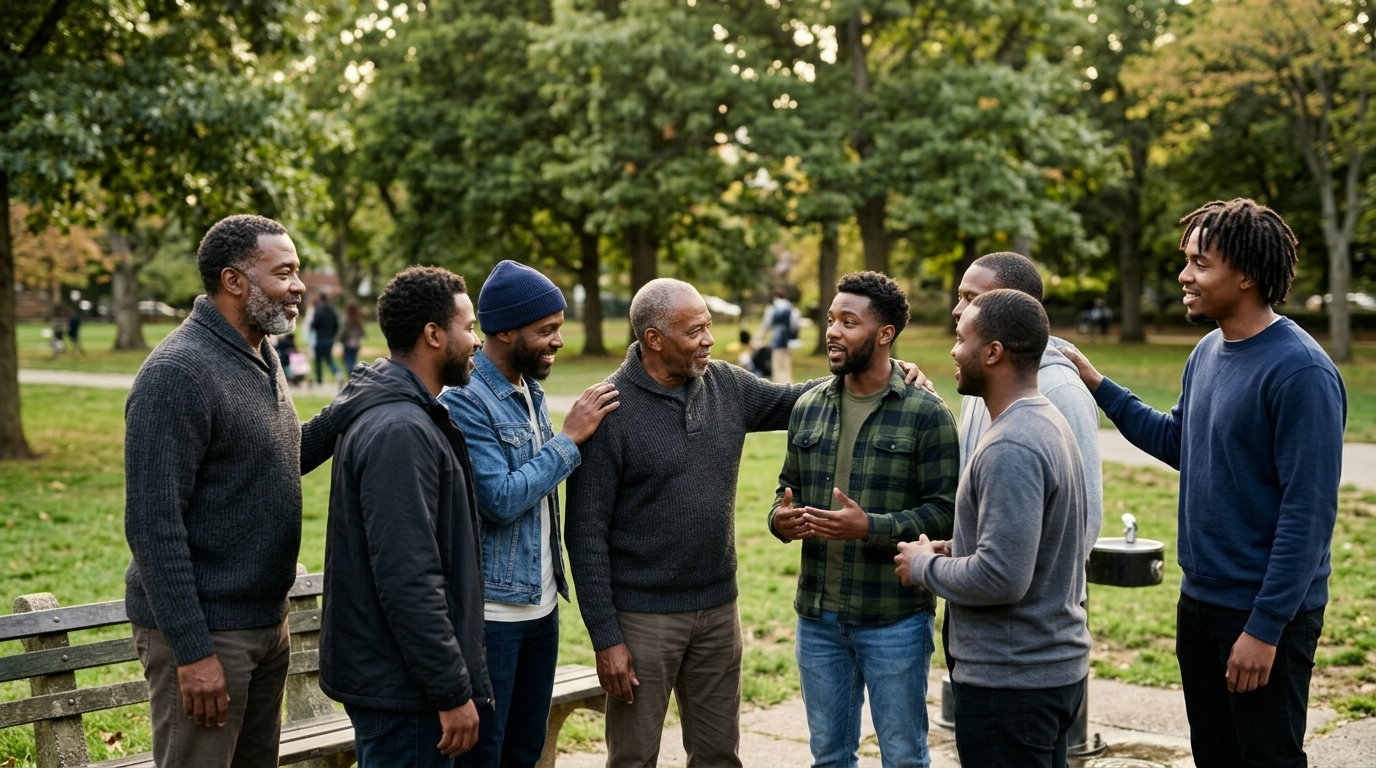
As a society, we need to challenge the expectation that men must carry every burden alone. We need to create spaces where vulnerability is welcomed, where conversations about mental health are normalized, and where asking for help is seen as a strength rather than a weakness.
Because no one should have to struggle in silence.
If you’re finding it difficult to carry everything on your own, know that support is available—and you don’t have to face it alone.
It is okay to ask for help, and therapy can be a great place to start.
– Edward Sackey
References
Adams, L. B., DeVinney, A., Aljuboori, D., Bachman, S., Lateef, H., Habteyesus, A., & Willie, T. C. (2026). Performing strength: Racialized masculinity in the lived experiences of Black men at risk of suicide. American Journal of Men’s Health, 20(1), 1–11. https://doi.org/10.1177/15579883251408351.
Canadian Mental Health Association. (2026, June 1). Supporting men’s mental health beyond awareness. Canadian Mental Health Association.
Canadian Men’s Health Foundation. (2026, February 26). The friendship recession: Why men are losing connections.Canadian Men’s Health Foundation.
Liddon, L., Kingerlee, R., & Barry, J. A. (2018). Gender differences in preferences for psychological treatment, coping strategies, and triggers to help-seeking. British Journal of Clinical Psychology, 57(1), 42–58. https://doi.org/10.1111/bjc.12147
Public Health Agency of Canada. (2023). Suicide in Canada: Key statistics (infographic). Government of Canada


